Clashes at Kyiv-Pechersk Lavra: Conflict Over Decolonization of Religious Sites
A physical altercation broke out at the Kyiv-Pechersk Lavra between activists and UOC parishioners over an attempt to rename a church dedicated to a Russian saint.
 🏛️Politics
Photo: TSN
Key points
- The clash occurred over a church in a water tower named after Sergius of Radonezh.
- Activists are demanding the site be renamed after Fedir Ostrozkyi as part of decolonization.
- The fight resulted in injuries, prompting the arrival of eight police units and medics.
A fresh wave of inter-confessional and ideological tension has been recorded at the Kyiv-Pechersk Lavra. The conflict centered on the Church of Sergius of Radonezh, located within an old water tower. The confrontation between pro-Ukrainian activists and parishioners of the Ukrainian Orthodox Church (linked to the Moscow Patriarchate) required the intervention of law enforcement and medical personnel.
The protest was sparked by demands to change the religious dedication of the building as part of the ongoing decolonization process. Activists pasted an image of Saint Prince Fedir Ostrozkyi onto the facade, proposing this new name for the place of worship. Beyond ideological concerns, protesters questioned the legality of converting a historical technical structure—a water tower—into a religious facility.
The Altercation and Its Aftermath
The verbal dispute quickly escalated into physical violence. According to witnesses, UOC representatives blocked the entrance while chanting in Church Slavonic. During the scuffle, at least one activist sustained physical injuries. The victim reported being struck in the head with a cross and claimed there was an attempt to gouge his eyes. Eight police vehicles and an ambulance arrived at the scene to manage the situation and provide medical aid.
Activists argue that the presence of churches named after Russian saints in the heart of the capital contradicts decolonization laws.
"We must cleanse both the Ukrainian church and Ukrainian cultural life from these Moscow influences,"stated one protester. Conversely, UOC parishioners argued that Sergius of Radonezh is a globally recognized miracle worker whose name should not be subject to national adaptation.
This incident occurs against the backdrop of the Lavra's gradual transition back to state control and the Orthodox Church of Ukraine (OCU). Recently, the Far Caves were reopened for the Day of the Christianization of Kyivan Rus-Ukraine, with a prayer service led by Metropolitan Epiphanius. Additionally, a memorial sign to Hetman Ivan Mazepa was consecrated on the grounds, signaling a shift in the ideological direction of the country's primary Orthodox shrine.
Source TSN — kyiv.tsn.ua/kyiv/vdaryly-khrestom-i-khotily-vydavyty-oko-pid-kyyevo-pec… ↗
Read next
 🩺Health
How Much Water to Drink Daily for Healthy Blood Pressure: Cardiologists' Advice
Leading cardiologists and vascular specialists explain how hydration affects blood pressure and what daily water intake is considered optimal.
 💼Economy
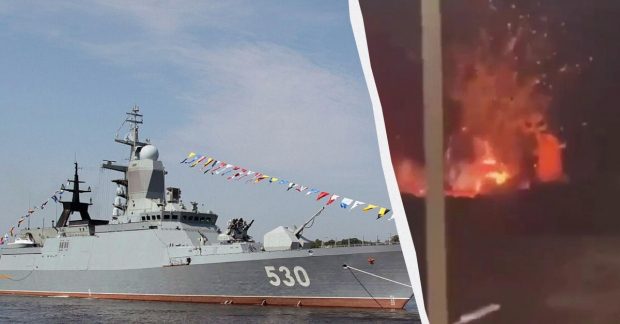
Russian corvette destroyed in Benghazi port: incident details
A Russian Project 20380 corvette, 'Merkuriy', was destroyed by an explosion in the Libyan port of Benghazi while escorting arms shipments.
 🇺🇦Ukraine
Western Media: Russia Open to NATO-Style Security Guarantees for Ukraine Under Certain Conditions
According to Western media reports, Russian leadership is reportedly discussing NATO Article 5-style security guarantees for Ukraine, provided no Alliance troops are stat…
 🧠AI Analysis
Artificial Intelligence and Humanity: Scientists Systematize 95 Catastrophe Scenarios
Researchers have analyzed thousands of documents and identified 95 pathways through which the development of artificial intelligence could lead to a global catastrophe.
 🩺Health
Blood pressure measurement errors: why arm position matters
Doctors explain how incorrect body positioning during blood pressure checks can lead to false readings and potentially unnecessary medical treatment.
 💼Economy
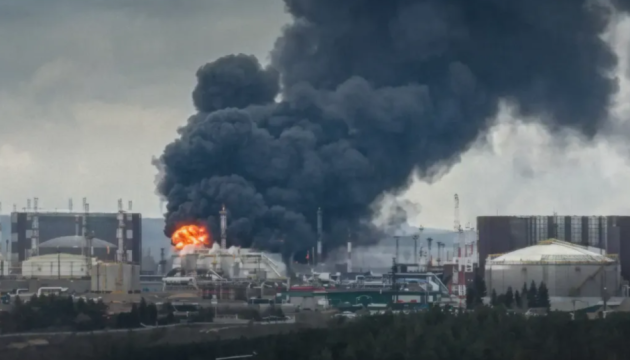
Ukraine's Defence Forces strike eight Russian oil infrastructure facilities
Ukrainian forces conducted a series of successful strikes on Russian oil refineries and depots, disrupting fuel supply chains for the military.