EU Declines Bilateral Moscow Visits: Brussels Insists on Multilateral Peace Format
The European Commission acknowledged the invitation from the Kremlin but emphasized its commitment to collective diplomacy and NATO's role in security talks.
 🏛️Politics
Photo: Ukrainska Pravda
Key points
- The EU rejected bilateral talks in Moscow in favor of a multilateral approach.
- Security architecture discussions are contingent upon a ceasefire.
- Brussels is coordinating with Jared Kushner and the Trump transition team.
The European Union has officially responded to the Kremlin's initiative regarding direct consultations in Moscow. European Commission chief spokesperson Paula Pinho confirmed that Brussels is aware of the invitation from the Russian leadership but does not plan to alter its strategy. Instead of separate visits to the capital of the aggressor state, the European side remains committed to a multilateral dialogue format involving a broad range of international partners.
Conditions for Security Discussions
The European Commission's stance remains firm regarding the sequence of steps in resolving the conflict. Paula Pinho emphasized that any discussions concerning Europe's future security architecture are only possible after a real ceasefire is achieved. Furthermore, such negotiations cannot take place behind closed doors; they must include the full participation of all EU member states and NATO allies. Currently, Brussels has not disclosed details regarding the form of the invitation itself.
Simultaneously, the EU maintains active communication with representatives of the incoming US administration. Specifically, contacts are ongoing with Jared Kushner and Steven Witkoff to coordinate joint actions. This is significant given American claims that Russia might consider security guarantees for Ukraine modeled after Article 5 of the NATO treaty. However, European officials stress that their position has not changed, highlighting the importance of a united front among allies.
Context and Ukraine's Reaction
As a reminder, the idea to invite EU representatives to Moscow was voiced by Vladimir Putin on November 19 to "clarify the position" of the EU. While some nations, notably France, have shown some interest in maintaining communication channels, the general line from Brussels remains cautious. Ukrainian authorities, for their part, express skepticism regarding proposals voiced through intermediaries. President Volodymyr Zelensky noted that the vision of "security guarantees" held by Kyiv and Washington might differ significantly, requiring further clarification.
Source Ukrainska Pravda — pravda.com.ua/news/2026/11/23/8064218/ ↗
Read next
 🧠AI Analysis
Arctic blast: Europe faces temperatures as low as -20°C
Meteorologists forecast a significant cold snap in Central Europe and Ukraine at the end of November due to shifting air masses.
 🧠AI Analysis
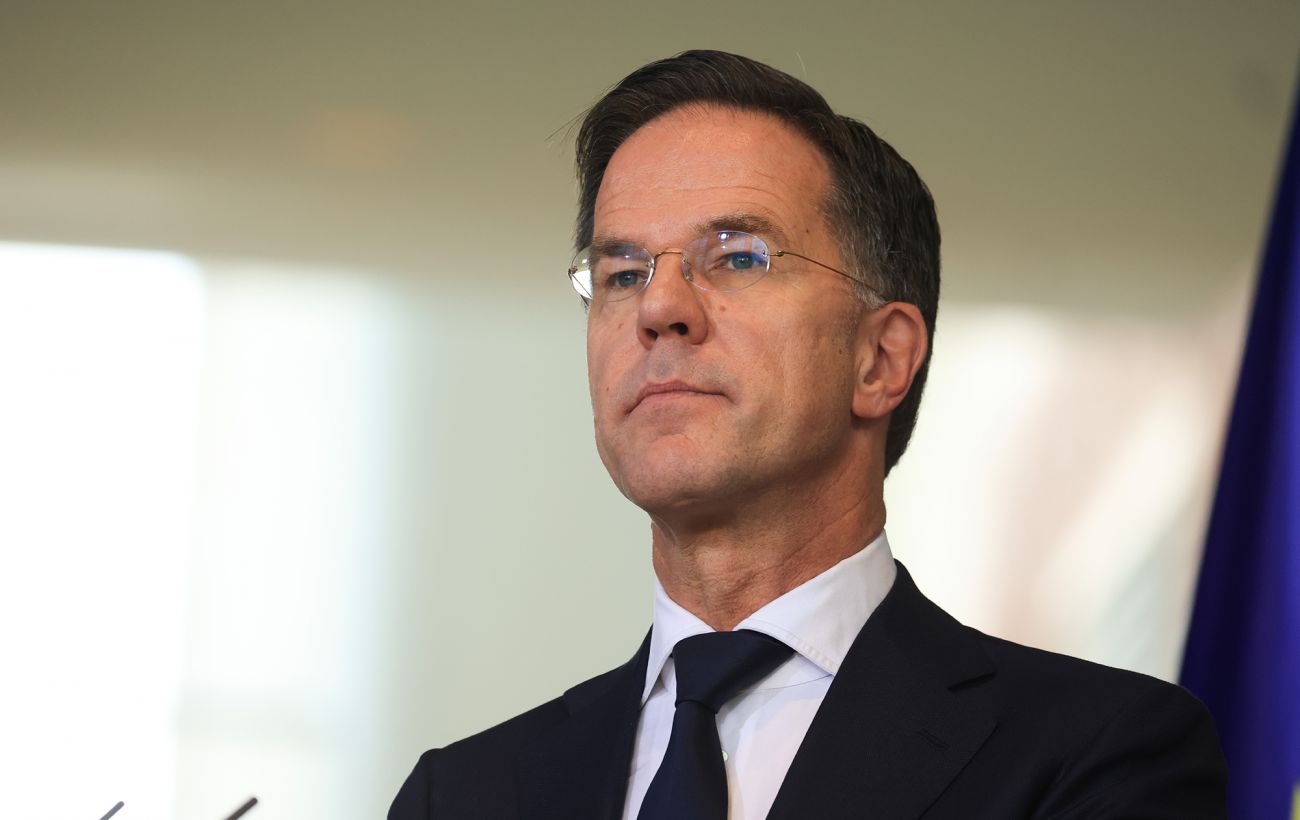
NATO Secretary General Mark Rutte rejects Russia's 1997 border demands as unacceptable
NATO chief Mark Rutte firmly dismissed Moscow's calls to roll back the alliance's borders to 1997, calling the demands unacceptable. He also addressed a recent dangerous …
 🛡️Security
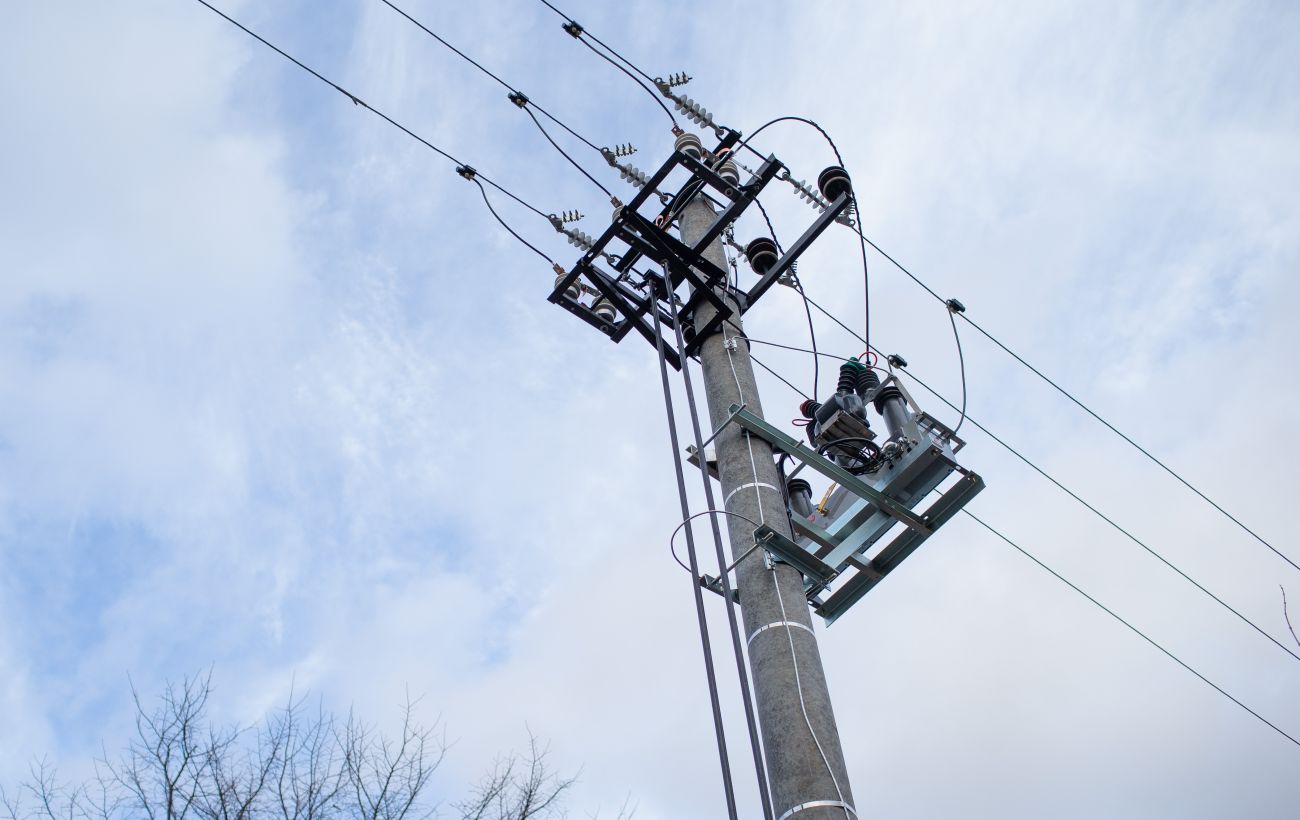
DTEK Energy Workers Set Annual Record for Restoring Power After Attacks
Over the course of a week, the company restored electricity supplies to 3.5 million households across several regions of Ukraine.
 🛡️Security
Artificial Intelligence on the Frontline: How Ukrainian Ground Robotic Systems Are Evolving
Ukraine's defense industry is actively integrating artificial intelligence into ground robotic systems (GRSs) to minimize dependence on operators and stable communication…
 🛡️Security
New Geography of Threats: Incidents on Russian Vessels in Libya and Gulf of Finland Alter Maritime Logistics
Recent events in Benghazi and the Baltic region have exposed vulnerabilities in Russia's global military supply chains, forcing a security rethink.
 🛡️Security
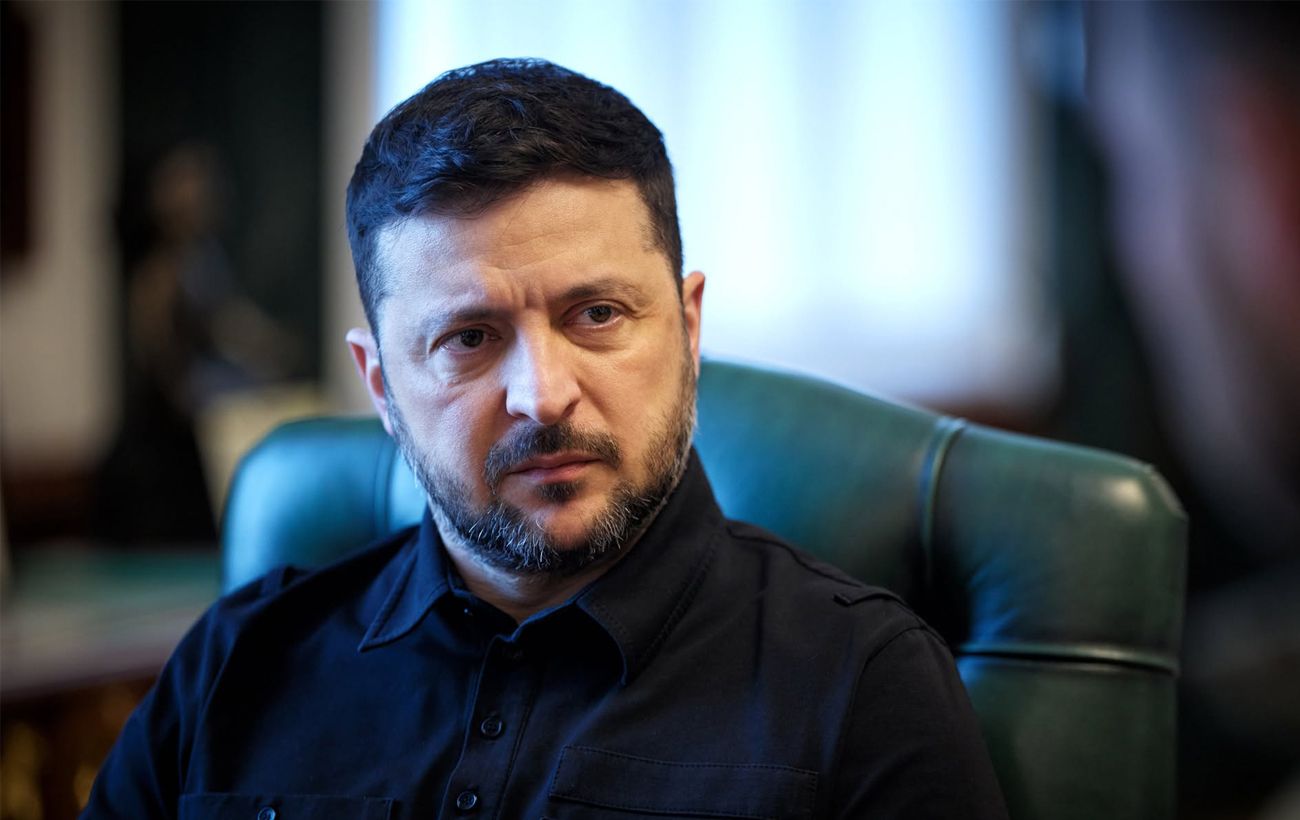
Zelenskyy Reports on Updated Russian Strike Plans and Severe Energy Challenges Across Regions
President Volodymyr Zelenskyy announced a HUR briefing regarding updated enemy attack plans and held a meeting on overcoming shelling consequences.