From the 'Urinary Leash' to Freedom: How Public Toilets Transformed Urban Life for Women
The history of female public restrooms reveals a journey from restricted mobility to full social participation and the evolution of urban infrastructure.
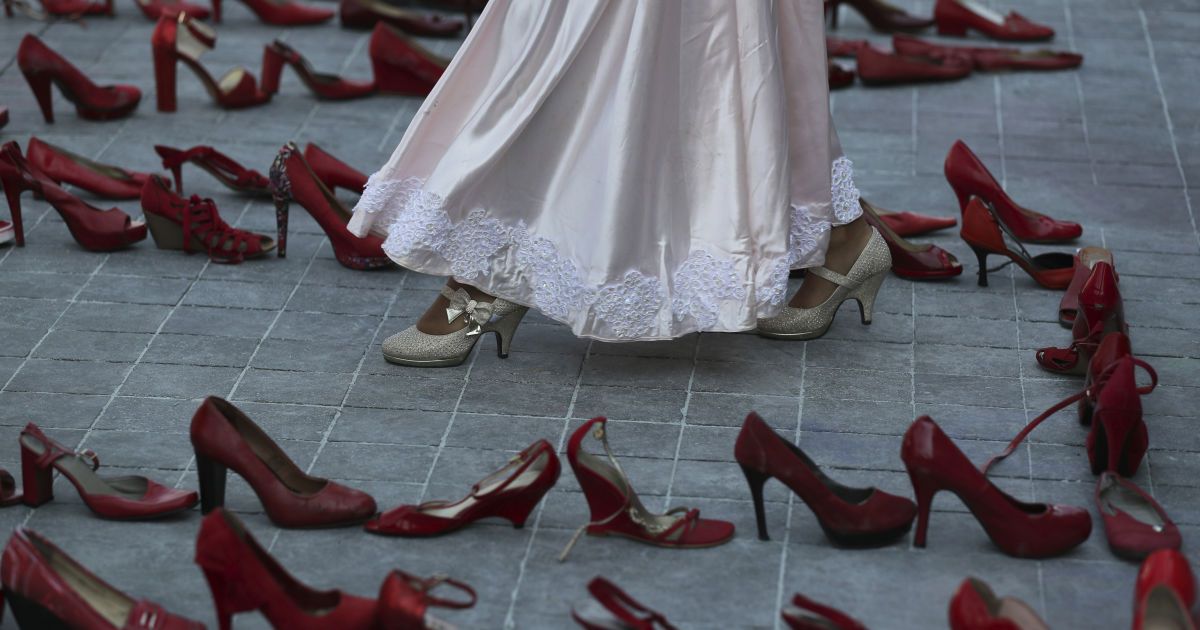 🏙️City
Photo: TSN
Key points
- The 'urinary leash' term described how the lack of toilets restricted women's mobility.
- Department stores like Marshall Field’s and Selfridges pioneered comfortable ladies' rooms for commercial gain.
- Restroom access served as a catalyst for the suffragette movement and the fight for women's rights.
For a significant portion of modern history, women's freedom of movement in urban environments was strictly limited by the lack of accessible public toilets. Historians coined the term 'urinary leash' to describe the metaphorical distance a woman could travel from her home before needing to return for physiological reasons. This created an invisible barrier that excluded women from active city life for centuries.
Social Barriers and Victorian Restrictions
While public latrines existed as far back as Ancient Rome, social norms dictated that wealthy women should not use them. This situation did not improve much even by the mid-19th century. For instance, when the first modern flush toilets were introduced at the Great Exhibition in London in 1851, access remained unequal between men and women. Society at the time believed women would feel ashamed to visit public restrooms, and in some cases, men even actively obstructed the creation of facilities for women.
Even as municipal toilets began to appear, they were often located in remote or unsafe areas without supervision. This forced women to choose between safety risks and social stigma, effectively limiting their mobility to a window of just a few hours away from home.
The Department Store Revolution
The turning point came from the commercial sector. In 1907, the Chicago department store Marshall Field’s opened comfortable public restrooms for women, featuring spacious stalls and childcare rooms. This concept was further developed by Harry Selfridge in London, who equipped ladies' rooms with hot water, telephones, and writing desks. Store owners were primarily motivated by profit: comfortable conditions allowed women to stay out longer and spend more money.
These changes had broader social consequences. Safe public toilets became meeting points where activists could gather and discuss their rights. This facilitated the growth of the suffragette movement, as women could finally remain in city centers all day. Basic infrastructure became a foundation for the fight for voting rights and employment.
"Access to a simple restroom is not just about domestic comfort; it is about the ability to move freely through the city, to work, and to participate in public life," urban historians emphasize.
Today, the issue of restroom accessibility has evolved but remains relevant. In the United States, debates continue regarding the rights of transgender individuals to use facilities. In Ukraine, the issue of gender equality in infrastructure is being highlighted by labor market shifts, where a shortage of personnel is leading more women into traditionally male-dominated roles like driving and construction, requiring the adaptation of workplace facilities.
Source TSN — tsn.ua/other/zinkam-dovodylosia-terpity-hodynamy-iak-univermahy-zminyly… ↗
Read next
 🩺Health
How Much Water to Drink Daily for Healthy Blood Pressure: Cardiologists' Advice
Leading cardiologists and vascular specialists explain how hydration affects blood pressure and what daily water intake is considered optimal.
 💼Economy
Russian corvette destroyed in Benghazi port: incident details
A Russian Project 20380 corvette, 'Merkuriy', was destroyed by an explosion in the Libyan port of Benghazi while escorting arms shipments.
 🏛️Politics
Clashes at Kyiv-Pechersk Lavra: Conflict Over Decolonization of Religious Sites
A physical altercation broke out at the Kyiv-Pechersk Lavra between activists and UOC parishioners over an attempt to rename a church dedicated to a Russian saint.
 🇺🇦Ukraine
Western Media: Russia Open to NATO-Style Security Guarantees for Ukraine Under Certain Conditions
According to Western media reports, Russian leadership is reportedly discussing NATO Article 5-style security guarantees for Ukraine, provided no Alliance troops are stat…
 🧠AI Analysis
Artificial Intelligence and Humanity: Scientists Systematize 95 Catastrophe Scenarios
Researchers have analyzed thousands of documents and identified 95 pathways through which the development of artificial intelligence could lead to a global catastrophe.
 🩺Health
Blood pressure measurement errors: why arm position matters
Doctors explain how incorrect body positioning during blood pressure checks can lead to false readings and potentially unnecessary medical treatment.