Microplastics in water: new research reveals hidden chemical threat
Scientists have discovered that microplastics can act as active chemical agents that damage cells, rather than just being physical pollutants.
 🩺Health
Photo: TSN
Key points
- Microplastics generate reactive oxygen species in water
- Polyethylene and polypropylene are the most chemically active
- Heating plastic accelerates the release of dangerous particles
- Laboratory tests confirmed destructive effects on cells
Researchers from Columbia University and the University of California, Berkeley, have found that microplastics can trigger dangerous chemical reactions when in contact with ordinary water. Previously, this material was considered a largely passive pollutant, but new data points to a more complex interaction with the environment.
Chemical activity on the plastic surface
When in contact with water, reactive oxygen species (ROS) form on the surface of plastic particles. These molecules, particularly hydroxyl radicals, have the ability to damage proteins and DNA structures. Experiments have shown that polyethylene and polypropylene demonstrate the highest activity, while PET and acrylic proved to be less reactive.
Scientists also conducted laboratory tests on mouse red blood cells, which showed that contact with microplastics leads to the destruction of cell membranes. An important factor is the size of the particles: the smaller the plastic fragments, the larger the surface area where these reactions occur.
Microplastics may not just be a pollutant, but a chemically active material that interacts with biological structures.
Experts emphasize that sources of microparticles in everyday life include not only waste but also heating plastic containers in microwaves or storing bottles under direct sunlight. Despite the laboratory evidence, scientists warn against jumping to conclusions regarding the direct impact on human health, as research is still ongoing.
Source TSN — tsn.ua/zdorovya/mikroplastyk-vyiavyvsia-nebezpechnishym-niz-vvazaly-shc… ↗
Read next
 💼Economy
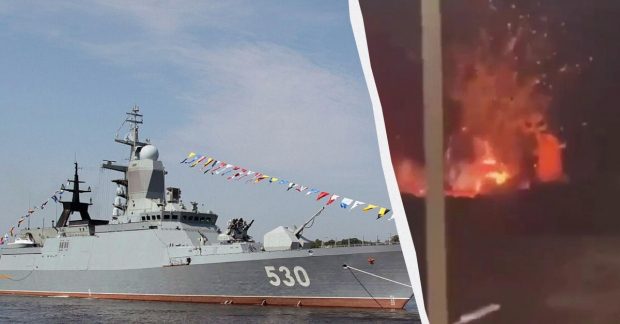
Russian corvette destroyed in Benghazi port: incident details
A Russian Project 20380 corvette, 'Merkuriy', was destroyed by an explosion in the Libyan port of Benghazi while escorting arms shipments.
 🏛️Politics
Clashes at Kyiv-Pechersk Lavra: Conflict Over Decolonization of Religious Sites
A physical altercation broke out at the Kyiv-Pechersk Lavra between activists and UOC parishioners over an attempt to rename a church dedicated to a Russian saint.
 🇺🇦Ukraine
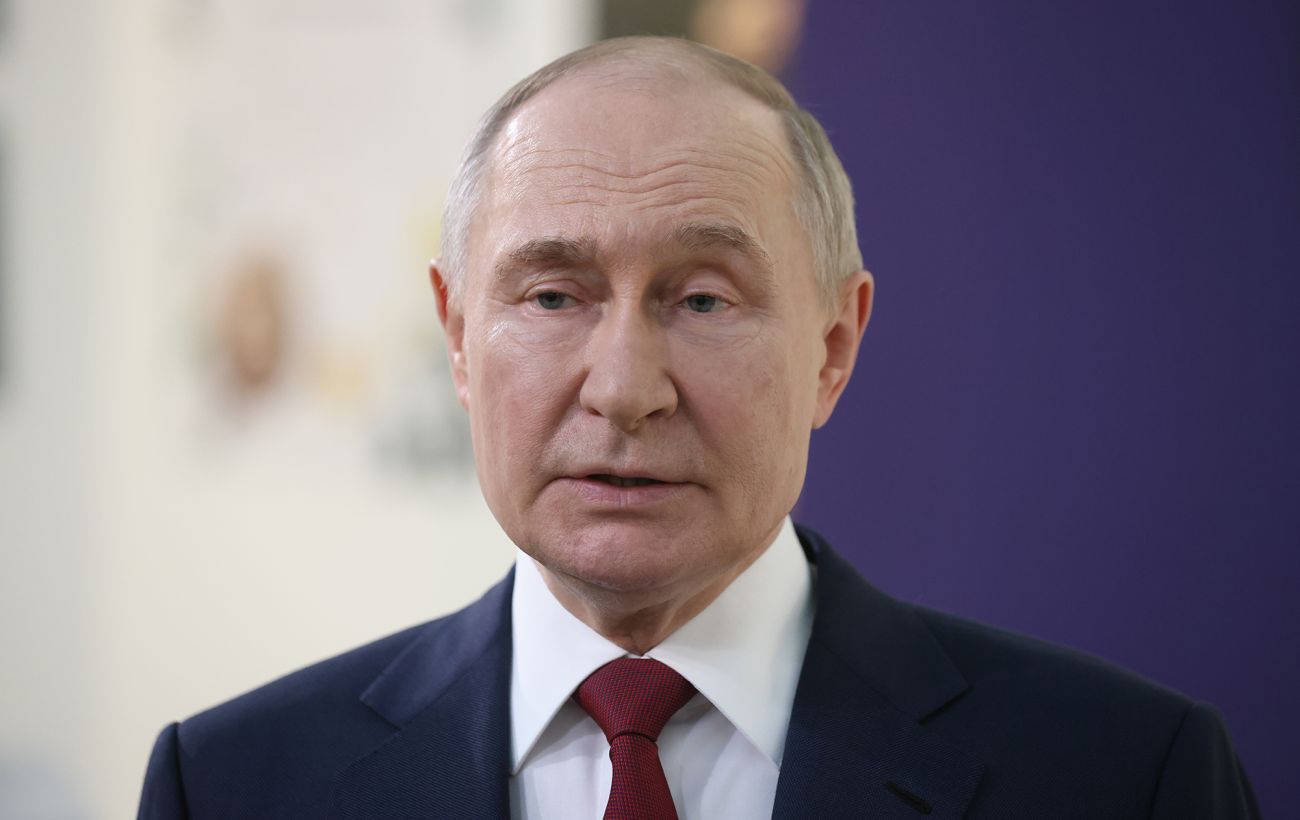
Western Media: Russia Open to NATO-Style Security Guarantees for Ukraine Under Certain Conditions
According to Western media reports, Russian leadership is reportedly discussing NATO Article 5-style security guarantees for Ukraine, provided no Alliance troops are stat…
 🧠AI Analysis
Artificial Intelligence and Humanity: Scientists Systematize 95 Catastrophe Scenarios
Researchers have analyzed thousands of documents and identified 95 pathways through which the development of artificial intelligence could lead to a global catastrophe.
 💼Economy
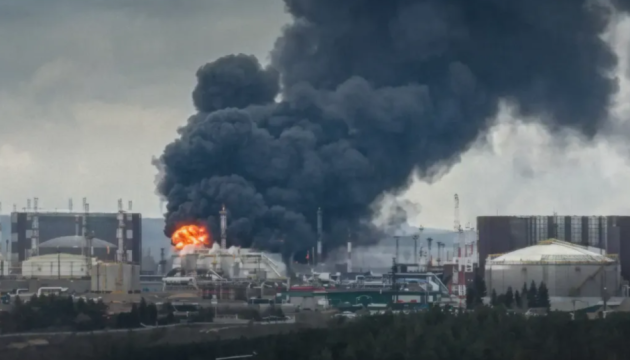
Ukraine's Defence Forces strike eight Russian oil infrastructure facilities
Ukrainian forces conducted a series of successful strikes on Russian oil refineries and depots, disrupting fuel supply chains for the military.
 🚨Events
Victory at a Cost: Karpaty Hero Yan Kostenko Suffers Severe Leg Injury
Karpaty Lviv midfielder Yan Kostenko, who scored the winning goal against Zorya, was forced to leave the pitch following a painful leg injury in the match's closing stage…